


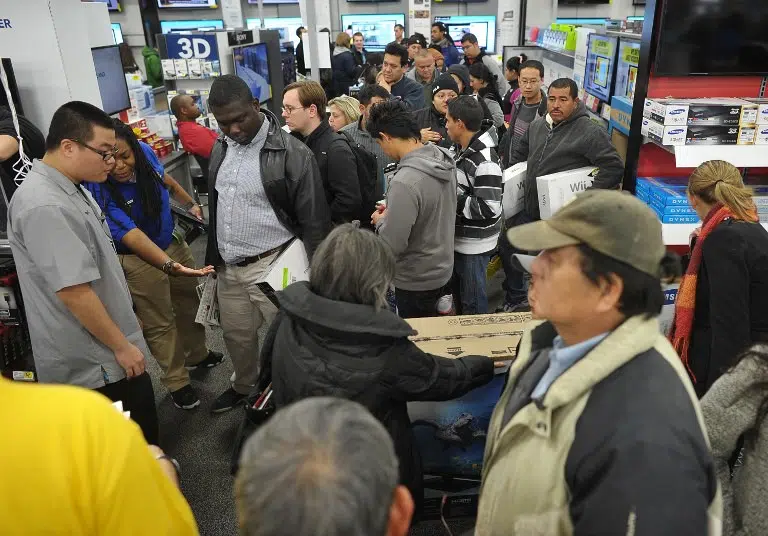
On Black Friday, the day after Thanksgiving, many stores offer deep discounts on a wide variety of products, including mattresses, laptops, TVs, clothing, and kitchen appliances. These deals are often available both online and in stores, but stock is often limited. The sales often continue throughout the holiday shopping season, including Cyber Monday.
The name “Black Friday” is thought to have originated because it was the day that many stores finally turned a profit for the year, going from being “in the red” to being “in the black.” However, the term’s origins are also associated with some negative connotations, such as heavy traffic, long lines, and even violence.
The term “Black Friday” was first used in 1869 to describe a market crash caused by two investors, Jay Gould and Jim Fisk, caused a market crash by driving up the price of gold. As a result, the stock market dropped 20%, foreign trade stopped, and farmers witnessed a huge drop in corn and wheat value.
In 1950s Philadelphia, the term was revived to describe the day between Thanksgiving and the Army-Navy football game, which brought large crowds of shoppers and tourists to the city.
In the late 1980s, retailers began to use the term “Black Friday” to describe the day when they finally turned a profit for the year, as accountants traditionally used red ink to indicate negative earnings and black ink to indicate positive earnings. The name stuck, and Black Friday has since become a season-long event that has spawned other shopping holidays, such as Small Business Saturday and Cyber Monday.


Comments