BILLINGS, Mont. (AP) — President Donald Trump’s administration wants to sell public lands to states, tribes and local governments as part of an effort to “decrease the size of the federal estate,” according to a new five-year plan presented by the Interior Department.
Agency officials said the sale of federal property would allow the government to focus resources on “nationally significant” lands. They offered no details on what lands could be sold, nor the scope or location of potential sales.
The plan also calls for strategic land transfers and exchanges to support greater energy production, a centerpiece of the administration’s pro-fossil fuel policies. It reflects the Trump administration’s view of most public lands as assets to be used, rather than to be set aside for preservation.
The Interior Department oversees more than 750,000 square miles (1.9 million square kilometers) of land — an area greater than Texas and California combined — along with vast underground mineral reserves. That puts the agency at the center of a contentious, decades-long debate over whether the government controls too much land.
The Associated Press sent emails to Interior officials Wednesday requesting comment and further details.
Most public lands are in Western states. In some, the government controls the vast majority of land, protecting it from potential exploitation but also hindering growth.
Interior officials said that under the plan a portion of any land sale proceeds would go back to the buyer for conservation purposes elsewhere.
Yet it’s uncertain if Interior Secretary Doug Burgum can achieve the administration’s goals without cooperation from Congress.
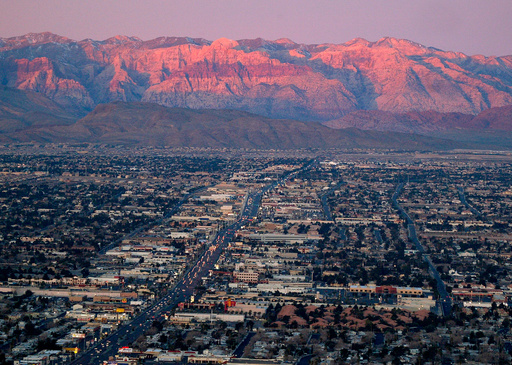
Some conservative lawmakers last year sought to sell vast tracts of land in Utah and Nevada, saying that could generate revenue and ease growth pressures in booming cities. Among the proposals, Utah Republican Sen. Mike Lee suggested selling more than 2 million acres (8,000 square kilometers) to states or other entities.
Those efforts failed after amid bipartisan opposition.
The plan sets out a road map for the Interior Department’s priorities and actions between 2026 and 2030. Future administrations would not be bound by it.
The department regulates mining, drilling, grazing, recreation and other activities that many state and local officials want greater control over.
The agency’s strategic plan was last updated four years ago under former Democratic President Joe Biden.